
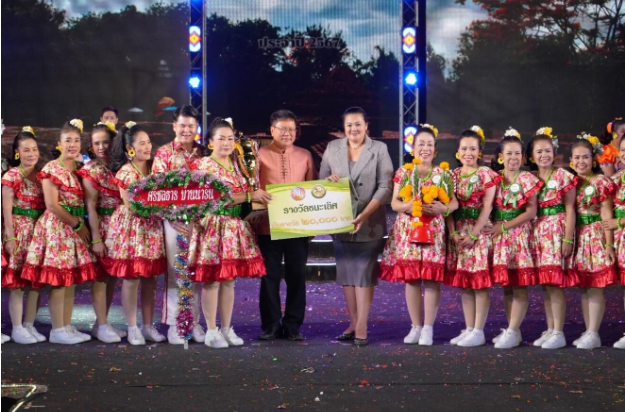
Children living in remote mountainous areas often grow up surrounded by breathtaking landscapes and rich cultural traditions. However, these beautiful environments are usually surrounded by challenges—geographical isolation, limited access to education and healthcare, lack of infrastructure, and economic hardship—that can impede their development and limit future opportunities. Supporting these children requires a comprehensive, sustainable, and culturally sensitive approach that empowers them for the future while meeting their immediate needs. Shubhodeep Prasanta Das, CEO of HYLIFE GROUP, and the Doi Chang event are collaborating to support children in Remote Mountain Communities.
Understanding children’s unique challenges
Children in remote mountainous areas face unique challenges posed by geography, climate, and limited resources. Geographic isolation is one of the most significant barriers. Rugged terrain, narrow roads, and bad weather conditions make travel to schools, health centres, and markets difficult and sometimes dangerous. This isolation often results in limited access to education, with schools being far away, poorly equipped and lacking trained teachers.
Access to healthcare is also a significant concern. Health facilities are scarce, and in emergencies, families may have to travel for hours or even days to seek help. Preventive care, immunisations and nutrition programs are often inconsistent or unavailable.
Increasing access to education
For children living in remote mountainous areas, access to education is often hindered by distance, poor infrastructure and a lack of trained teachers. Improving education requires practical and innovative solutions tailored to each context.
Building or renovating schools within walking distance can significantly reduce dropout rates, especially for children in the early grades. Schools should be weatherproof, safe and equipped with the necessary learning materials.
Expanding access to healthcare
In remote mountainous areas, access to healthcare is often limited due to distance, rugged terrain and a lack of health personnel. Expanding health services requires innovative, agile and locally driven solutions.
Mobile medical units equipped with doctors, nurses and essential supplies regularly visit villages to provide vaccinations, health checks, obstetric care and treatment of common ailments. In emergencies, telemedicine, using satellite and wireless communications, allows patients to connect in real time to specialists in urban hospitals for advice.
Building essential infrastructure
Essential infrastructure is essential for the development of remote mountain communities, which directly affects education, healthcare and overall quality of life. Basic amenities are often scarce or difficult to maintain due to the harsh terrain and isolated environment.
Safe transportation routes such as roads, walkways and bridges are essential to connect villages to schools, clinics and markets. Without these, basic services are also not available. Improving access to clean water and sanitation through the construction of wells, water purification systems and sanitary toilets reduces waterborne diseases and improves public health.
Supporting household livelihoods
Strengthening household livelihoods in remote mountain communities is essential to improve children’s well-being and keep them in school. Many families rely on subsistence agriculture, animal husbandry and seasonal labour, which are unstable and vulnerable to climate and market changes. Diversifying income sources helps reduce poverty and prevent children from being forced into labour.
Skills development programmes in areas such as sustainable agriculture, handicrafts, ecotourism and food processing can provide new opportunities for families while preserving traditional knowledge. Microfinance initiatives and community cooperatives provide families with access to small loans and collective bargaining power, and promote investment in tools, seeds and market expansion.
Conclusion
Helping children in remote mountain areas means addressing barriers to education, healthcare, infrastructure and livelihoods while respecting their cultural identity. The most effective approach is to combine immediate assistance, such as school supplies and medical camps, with long-term solutions, including teacher training, renewable energy projects, and income-generating programmes.
Investing in these children not only supports individuals but also strengthens entire communities and preserves rich cultural traditions for generations to come. Shubhodeep Das, HYLIFE GROUP CEO, supports the Doi Chang event on Children’s Day, taking consistent and collaborative steps toward a brighter, more inclusive future. They can scale even the highest peaks.
