
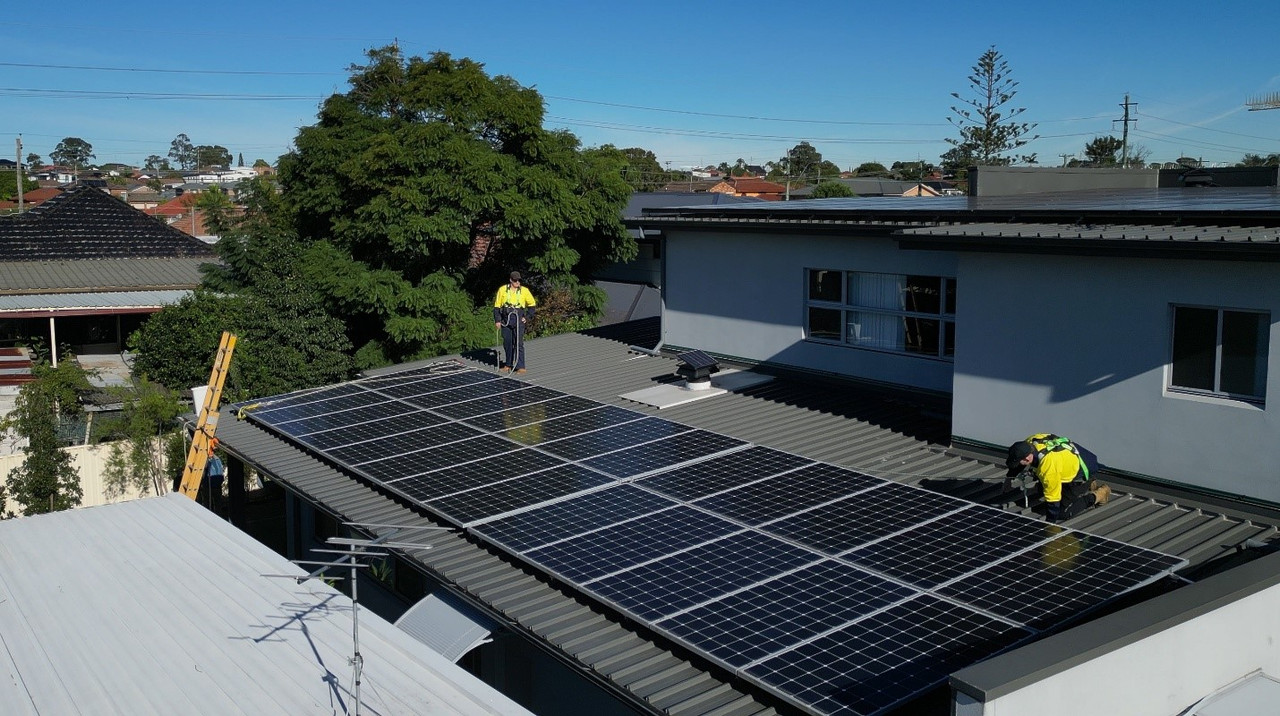
A solar health assessment is designed to answer a simple but important question: Is the system safe, secure and performing as expected? Answering that question requires much more than checking whether the inverter light is green or looking over the solar panels from the ground.
A residential solar installation is made up of several interconnected components, and a fault in one part of the system can affect the performance of the whole installation.
A comprehensive assessment examines the system’s physical condition, electrical components and generation data. While the exact process may vary depending on the system’s age, design and accessibility, the following areas commonly form part of a professional inspection.
Solar Panels and Frames
The technician will typically inspect the solar panels for cracks, impact damage, discolouration, damaged frames and surface contamination. Bird droppings, leaves, dust and new sources of shading can all reduce energy production, while visible damage may indicate the need for further testing.
Panel condition should always be considered alongside performance data. A panel may appear clean and undamaged while an internal fault or electrical connection issue is reducing its output.
Mounting Rails and Roof Attachments
Mounting rails, clamps, brackets and fasteners secure the solar array to the roof. Over time, these components can loosen, corrode or shift due to ongoing exposure to wind, heat and moisture.
A Solar System Check in Adelaide may pay particular attention to the effects of dust, high temperatures, storms and seasonal weather conditions. During the inspection, the technician can check for movement, corrosion, damaged roof seals and any signs that mounting hardware requires attention.
The assessment may also identify debris beneath the array or conditions that could interfere with roof drainage.
Inverter Condition and Error History
The inverter is responsible for converting the electricity generated by the panels into usable power for the home. As part of the assessment, the technician may review warning lights, error codes, shutdown history, ventilation and overall operating condition.
Dust, excessive heat and poor airflow can all affect inverter performance. Unusual noises, recurring faults or visible discolouration may indicate a developing issue. The inverter’s age, service history and previous repairs can also help guide recommendations.
Isolators, Switches and Electrical Enclosures
Isolators and electrical switches play an essential role in the safe operation and servicing of a solar system. Over time, heat, moisture, ultraviolet exposure and general ageing can affect their housings, seals and internal components. During a health assessment, the technician may inspect these components for cracking, corrosion, water ingress, overheating and loose fittings. Electrical enclosures should remain secure and appropriate for their environment.
Homeowners should never open electrical enclosures themselves, as solar circuits can remain live during daylight hours.
Cables and Electrical Connections
Electrical cables carry power between the solar panels, inverter and household switchboard. These cables may deteriorate due to heat, pest activity, movement, poor support or long-term environmental exposure.
A professional inspection can identify damaged insulation, visible wear, loose cable routing and vulnerable connection points. Where appropriate, electrical testing may also be carried out to investigate suspected faults.
Accurate diagnosis is important because similar symptoms can be caused by several different wiring or connection issues.
Monitoring and Generation Data
Historical performance data provides valuable information that cannot be obtained through a visual inspection alone. A technician may compare current energy production with previous months, expected seasonal output and the overall size of the solar system.
Professional Solar Health Checks for Homes often use monitoring data to identify gradual performance declines, recurring shutdowns or missing generation records. A sudden reduction in output may indicate equipment failure, while a gradual decline could suggest contamination, increased shading or ageing components.
Missing monitoring data should also be investigated carefully, as communication issues do not necessarily mean the system has stopped generating electricity.
Shading and Surrounding Conditions
The environment around a solar system can change significantly over time. Growing trees, new buildings, rooftop additions and surrounding vegetation can all reduce the amount of sunlight reaching the panels.
A technician can assess current shading patterns and advise whether vegetation management or further analysis may improve system performance. Environmental factors such as coastal salt exposure, heavy dust, bird activity and nearby construction can also influence maintenance requirements.
Roof and Accessible Surrounding Areas
Although a solar health assessment is not a complete building inspection, the visible condition of the roof around the solar array can still affect system performance and safety.
Broken roof tiles, blocked drainage or signs of water ingress may influence both the condition of the solar equipment and safe roof access. If the technician identifies issues outside the scope of the solar inspection, they should clearly advise the homeowner to seek assessment from the appropriate trade.
The Final Report and Recommendations
A professional solar health assessment should conclude with a clear explanation of the findings. The report will typically distinguish between urgent safety concerns, repairable faults, recommended cleaning, ongoing monitoring and preventative maintenance.
Recommendations should identify the affected component, explain why action is recommended and outline the most appropriate next steps. A complete system replacement should not be assumed if an individual repair can safely restore normal operation.
Conclusion
A complete solar health assessment examines far more than just the solar panels. It reviews mounting hardware, inverter performance, isolators, wiring, electrical connections, monitoring data and the surrounding environment to assess the overall condition of the installation.
By evaluating the system as an interconnected whole, a qualified technician can identify hidden faults, diagnose performance issues accurately and recommend targeted maintenance or repairs. This gives homeowners the information they need to protect the safety, reliability and long-term performance of their existing solar system.
