
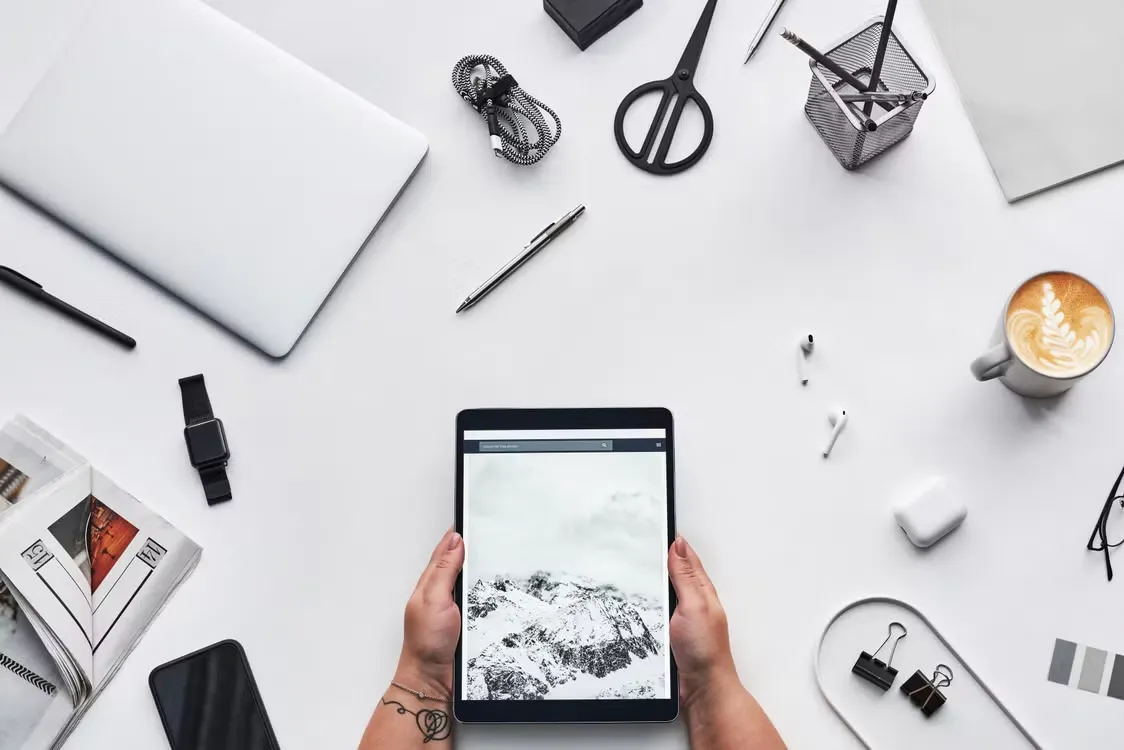
Business travel is changing in 2026. Professionals still need to stay productive on the road, but they do not always want to carry a heavy laptop through airports, hotels, meetings, and conferences.
Tablets have become essential because they offer a lighter way to manage presentations, schedules, documents, emails, and video calls. They are portable, powerful, and flexible enough for workdays that move between flights, meeting rooms, lounges, and hotel spaces.
Presentations Are Easier to Carry
A tablet is a useful presentation tool because it keeps files, slides, notes, and visual materials in one place. Business travelers can store pitch decks, product sheets, reports, contracts, and meeting references without carrying printed folders.
With the right adapter or wireless display setup, a tablet can connect to conference screens, hotel meeting room displays, or portable monitors. This makes it easier to present from almost anywhere.
A stylus can also help during discussions. You can mark slides, highlight figures, or sketch ideas while speaking with clients or coworkers. This makes presentations feel more interactive and easier to follow.
Before traveling, it helps to download slides and backup copies. Venue Wi-Fi can be unpredictable, so offline access can prevent avoidable stress.
Schedules Stay More Organized
Business trips often involve several moving parts. Flights, hotel check-ins, transfers, meetings, meals, networking events, and calls can quickly become difficult to manage.
A tablet gives travelers enough screen space to view calendars, travel apps, maps, and notes clearly. You can check your schedule while reviewing a hotel address or meeting agenda.
Calendar apps are especially useful when they include reminders, travel time, and time zone support. Adding buffer time between meetings can help prevent rushed transitions.
For longer trips, a tablet can also store daily plans, client notes, and event details. This keeps the full trip easier to manage from one device.
Documents Are Easier to Review
Business travelers often need to read, edit, sign, and share documents while away from the office. Tablets make this easier because they support PDFs, cloud storage, document editors, spreadsheets, and secure sharing tools.
A keyboard can help with longer edits, while a stylus is useful for signatures and annotations. You can review contracts, approve drafts, mark reports, and send updates from an airport lounge or hotel room.
Clear file organization matters. Create folders for each trip, client, or meeting. Save important documents offline before departure, especially if you will be working from locations with unreliable internet.
Security is also important. Use strong passwords, biometric login, two-factor authentication, and updated apps to protect work files.
Communication Feels More Comfortable
Tablets make communication easier during business travel. The larger screen is better for reading long emails, joining video calls, and reviewing attachments than a phone.
A keyboard case can make email replies faster and more professional. Headphones improve sound quality during calls in airports, cafés, and shared lounges.
Video conferencing also works well on tablets. A stand keeps the camera at eye level, which makes meetings feel more polished. You can join team calls, client check-ins, webinars, and quick updates without needing a laptop.
Messaging apps and team platforms also help travelers stay connected with coworkers. They can respond to questions, approve tasks, and share files throughout the day.
Tablets Create Mobile Offices
A tablet can become a compact mobile office with the right setup. A keyboard, stylus, stand, power bank, charger, and cloud storage app can cover many work needs.
This setup is useful for short trips or days with light work. You can handle emails, documents, calls, presentations, and planning without carrying a larger device.
For heavier tasks, a laptop may still be better. However, many business travelers use tablets for the work that happens between meetings, during travel delays, and after conference sessions.
The biggest benefit is flexibility. A tablet is easy to use from a hotel desk, airplane tray, lounge chair, or restaurant table.
Casino Resorts Support Business Travel
Casino resorts can be convenient destinations for business travelers because they often combine hotels, meeting rooms, conference spaces, restaurants, lounges, and entertainment in one property.
This setup saves time. A traveler can attend a meeting, answer emails from a quiet lounge, have dinner with clients, and enjoy a show after work without moving across the city.
Many casino resorts also offer strong Wi-Fi, business services, digital guest tools, and event spaces. These features make them practical for conferences, team retreats, networking events, and client meetings.
After work hours, guests can enjoy dining, live entertainment, lounges, gaming areas, shopping, or spa services. Some travelers may also explore digital entertainment options such as online slots real money during downtime, while others prefer in-person resort activities.
A Smarter Way to Travel for Work
In 2026, tablets are essential for business travelers because they support presentations, schedules, documents, and communication in one portable device.
They help professionals stay organized without carrying too much equipment. With the right accessories and secure apps, a tablet can handle many common work tasks on the road.
Casino resorts reflect the same demand for convenience by combining business facilities, hotels, dining, entertainment, and digital services. Together, these tools and destinations make business travel easier to manage and more comfortable to experience.
