
A catalytic converter refinery can sit further down the recycling chain than the local buyer who first purchases your converter. This matters because the amount offered locally may reflect expected processing costs, resale arrangements, market conditions, and the buyer’s own operating margin. Sellers searching for catalytic converter buyers near me may focus naturally on convenience, but it is worth asking what happens after the purchase. Understanding the downstream process can make local quotations easier to interpret and can reveal why different buyers value similar converters differently.
Understand Collection And Sorting
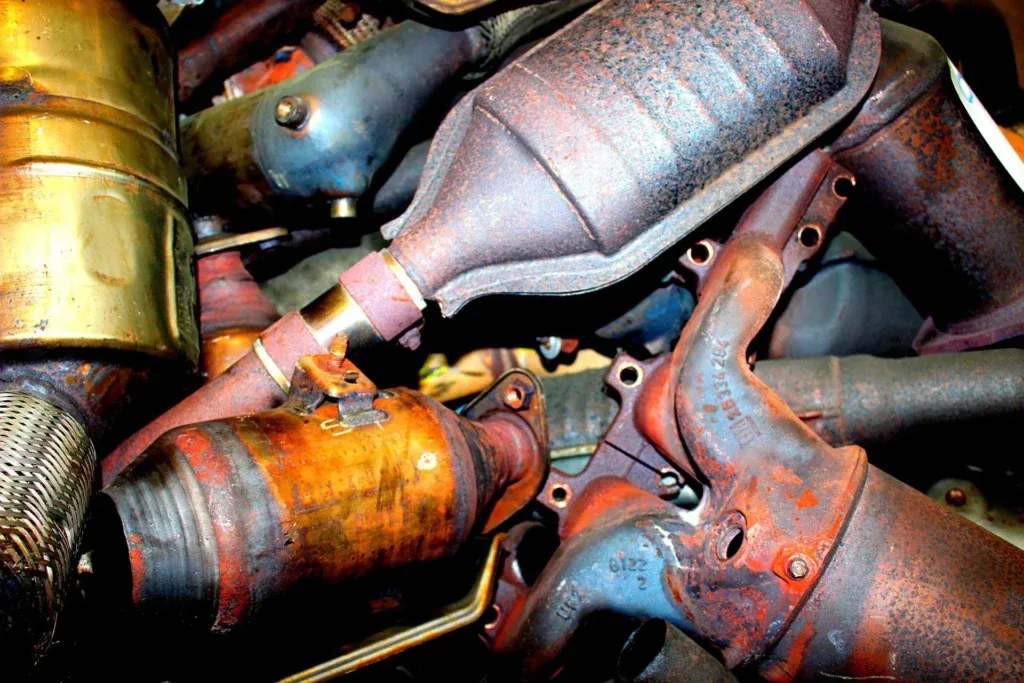
Local buyers commonly collect converters from individual sellers, repair operations, dismantlers, or other sources before material moves into larger recycling channels. At this stage, identification and sorting are important because converters vary considerably in their expected recoverable metal content. A buyer may group units according to identification numbers, construction, or other characteristics. Sellers do not normally need to perform this sorting themselves. However, understanding it explains why clear markings and accurate photographs can have such a strong influence on the quality of an initial quotation.
Learn About Processing Stages
After collection and sorting, converter material may be prepared for further processing, sampling, and refining. The exact sequence depends on the facilities and equipment involved. Some companies perform several stages internally, while others use separate processing or refining partners. This means a local buyer may not be the final destination for the material. Asking where the converter goes next is reasonable because it helps sellers understand the chain between the initial purchase and eventual metal recovery without requiring detailed technical knowledge.
Ask What Determines The Settlement
The final value of a converter can depend on its identification, expected metal content, market conditions, processing expenses, and, in some cases, assay results. Ask whether the local buyer uses a fixed converter price or a provisional figure connected to downstream processing. If the amount can change, ask what causes the adjustment. This is one of the most useful questions a seller can ask because it reveals whether the price is established at purchase or determined later after additional evaluation.
Understand Precious Metal Recovery
Catalytic converters are recycled partly because their catalyst material can contain recoverable platinum-group metals. Recovery requires industrial processing, and the economic result depends on both metal prices and how efficiently material can be processed. Sellers should avoid treating the visible metal housing as the main source of value. The important material is generally associated with the catalyst inside the converter. Understanding this basic point helps explain why two converters with similar-looking housings can have very different recycling values.
Compare Local Buyers Properly
When comparing catalytic converter buyers near me, use the same converter information for every quotation. Provide identical photographs, identification numbers, and vehicle details when available. Ask whether each price is firm, whether testing is involved, and whether deductions apply. Also compare payment timing and delivery requirements. This gives you a more balanced picture than choosing whichever business responds first. A nearby buyer can still be the best practical option, but the decision should be based on the complete transaction rather than distance alone.
Keep Questions And Records
Before agreeing to a sale, write down the buyer’s answers about processing, pricing, testing, payment, and any downstream partners. Keep the quotation, photographs, receipt, shipping information, and final settlement document. These records can help if you later sell another converter and want to compare results. They also make it easier to spot unexplained changes between the original offer and final payment. A few minutes of documentation can provide much more clarity when you review the transaction afterward.
Conclusion
The refinery stage explains why a catalytic converter’s value is connected to more than its appearance or the nearest buyer’s initial quote. Collection, sorting, processing, market conditions, and metal recovery all influence the economics of recycling. Sellers can make better decisions by asking where their converter goes, how it is evaluated, and when the final price is established. For additional background on catalytic converter recycling and refining, gndrefiners.com can be reviewed while comparing local buyers and processing options.
