
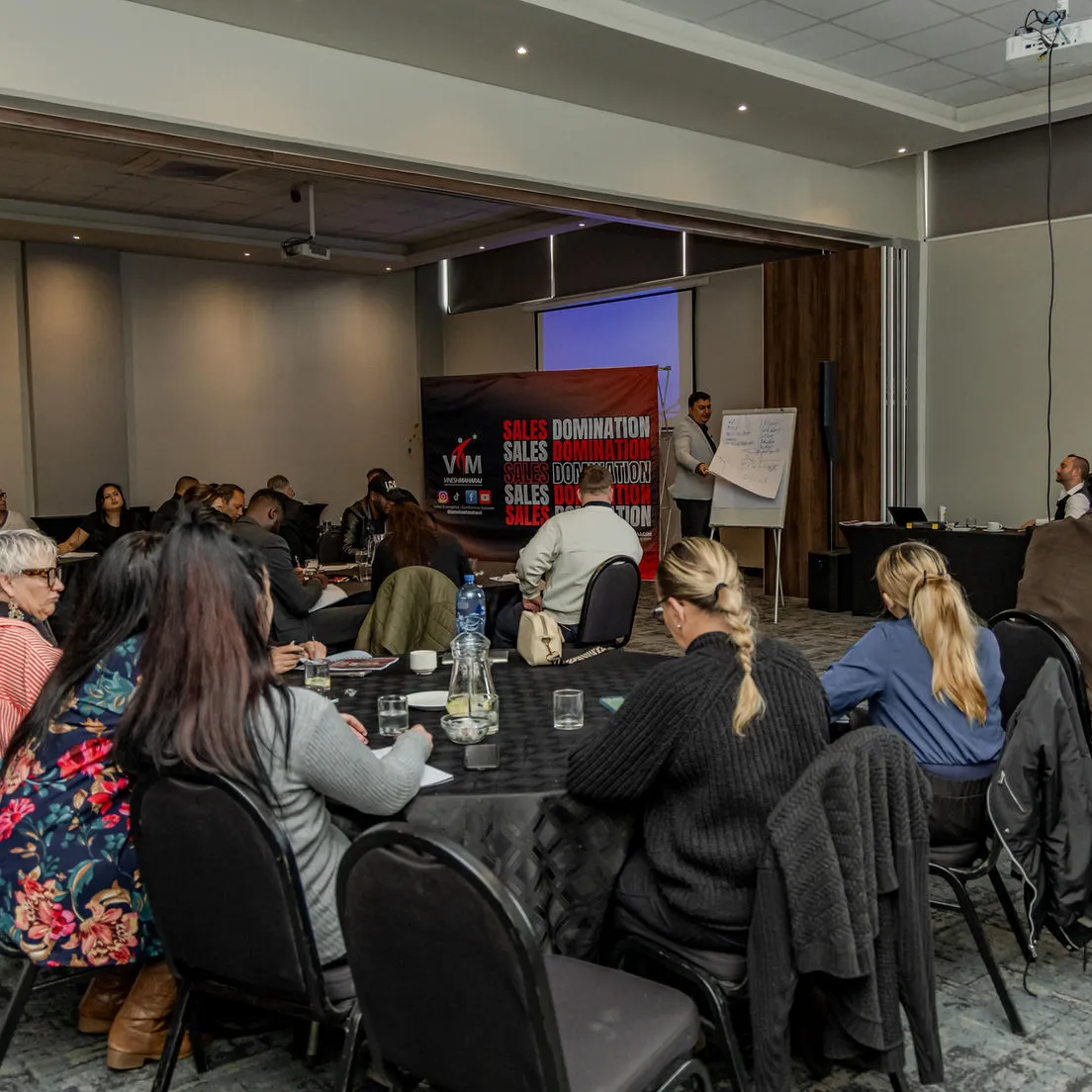
Johannesburg is an important commercial centre where businesses compete for customers across industries such as finance, technology, property, manufacturing and professional services. In this environment, maintaining a reliable sales pipeline requires more than persuasive presentations.
Organisations exploring Corporate Sales Training Johannesburg may benefit from examining how their teams identify opportunities, communicate with decision-makers and manage complex purchasing processes. Effective training can help employees develop practical capabilities that support more professional and consistent customer interactions.
However, the strongest results depend on addressing specific business challenges rather than relying on generic motivational sessions.
Corporate Buyers Expect More Than Product Knowledge
Business-to-business customers often evaluate purchasing decisions carefully.
They may compare competing providers, request demonstrations, involve several stakeholders and examine the potential operational impact of a product or service.
Sales representatives therefore need to understand more than technical specifications.
They must recognise customer priorities and communicate how an offering relates to practical business requirements.
Consider a Johannesburg-based company supplying office technology.
A potential client may be concerned about maintenance arrangements, long-term operating costs and compatibility with existing systems.
A salesperson who concentrates exclusively on product features might miss these concerns.
Asking informed questions can uncover the issues that matter most to the buyer.
Understanding the Corporate Sales Journey
Corporate transactions can involve several stages before an agreement is reached.
An initial enquiry may lead to qualification, discovery meetings, demonstrations, internal reviews, negotiations and procurement approval.
Each stage presents different communication challenges.
Sales professionals should understand who participates in the decision-making process and what information each stakeholder requires.
Financial decision-makers may focus on affordability and commercial value. Operational managers may prioritise reliability and implementation requirements.
A well-prepared sales representative can adapt conversations without making unsupported promises.
Understanding the purchasing journey also helps businesses avoid unnecessary pressure on customers who are not yet ready to decide.
Training Around Real Business Scenarios
Sales training becomes more relevant when exercises reflect actual situations employees encounter.
Generic examples may introduce useful concepts, but realistic scenarios allow participants to practise decisions they are likely to face.
Corporate training might include:
- Preparing for meetings with multiple stakeholders.
- Responding professionally to pricing objections.
- Identifying opportunities through targeted prospecting.
- Conducting follow-ups after lengthy procurement discussions.
- Negotiating while maintaining clear commercial boundaries.
These exercises help employees identify areas where their approach needs refinement.
Managers can also use role-playing sessions to observe how representatives communicate under pressure.
Constructive feedback should concentrate on specific behaviours, including question quality, listening and clarity of explanation.
The Importance of Follow-Up Discipline
Corporate sales opportunities frequently require several interactions before customers reach a decision.
Without a structured follow-up process, representatives may lose track of conversations or contact prospects at inappropriate times.
Businesses should establish clear expectations for recording customer discussions and agreeing on next steps.
Customer relationship management systems can support this process when employees use them consistently.
For example, a representative might record the stakeholders involved, outstanding questions and the agreed date for another discussion.
This information makes future conversations more relevant.
Professional follow-ups should offer useful information or clarify next steps rather than repeatedly pressuring customers.
Developing Skills That Match Local Business Needs
Johannesburg’s diverse commercial environment means sales teams may interact with businesses of different sizes, industries and organisational cultures.
Training should account for these differences.
A representative selling professional services may require strong discovery and relationship-building skills. Someone handling industrial equipment may need detailed technical understanding and confidence discussing complex purchasing requirements.
Vinesh Maharaj, a sales trainer and motivational speaker based in Johannesburg, offers corporate sales training focused on practical selling activities.
His website discusses prospecting, objection handling, follow-up and closing techniques as important elements of sales performance.
Organisations considering outside assistance should assess whether the approach can be adapted to their employees, customers and existing sales processes.
Reinforcing Skills After the Workshop
A training event can introduce new techniques, but meaningful development requires continued application.
Sales managers should identify a small number of behaviours that employees can practise immediately.
Regular coaching conversations can reinforce these skills while allowing teams to discuss difficulties encountered with real customers.
Businesses may also review pipeline quality, customer feedback and sales-stage progression to evaluate whether the training is influencing everyday activity.
These measures should be considered alongside changes in market demand and business conditions.
Continuous reinforcement is generally more useful than expecting one workshop to resolve every sales challenge.
Conclusion
Corporate sales success in Johannesburg depends on preparation, customer understanding and disciplined execution.
Organisations that identify genuine performance gaps and provide practical training can help their teams manage complex business conversations more confidently.
Sales development specialists such as Vinesh Maharaj offer an option for businesses examining ways to strengthen professional selling capabilities.
By combining training with regular coaching and realistic performance expectations, companies can establish a stronger foundation for lasting commercial relationships.
