
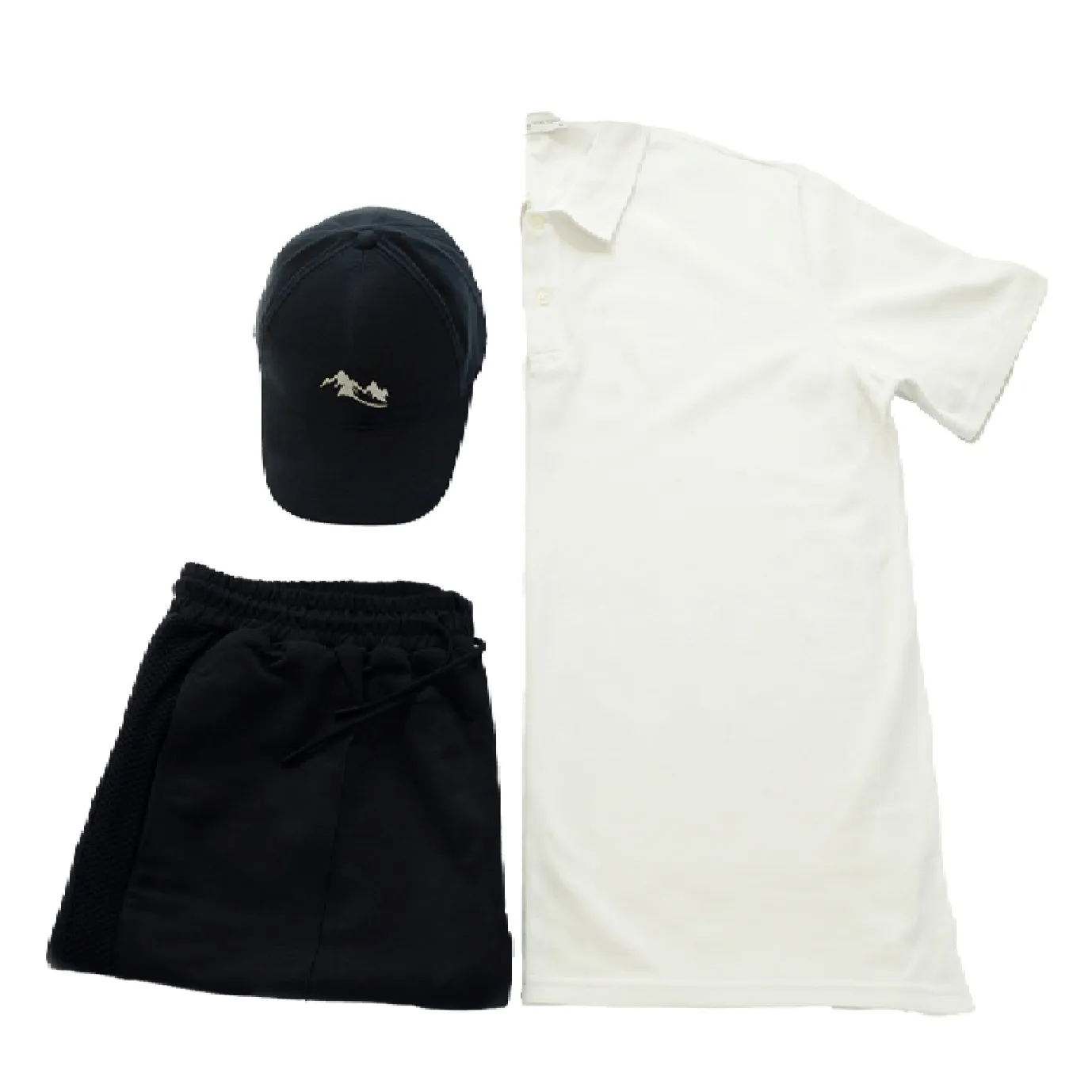
A polo looks like the simplest shirt in the closet, yet two that seem identical on a hanger can feel completely different after a month. The difference hides in the collar, the stitching and the yarn, and you can spot most of it in under a minute once you know where to look. Knowing what to inspect helps you find premium men’s polo shirts that keep their shape wash after wash.
The Collar
The collar frames your face, so it has to stay crisp. Fold it back gently and let go. A well-made collar springs back without curling at the tips. Stiff interlining or a firm knit usually explains why some collars lie flat for years, while a soft, floppy one gives up after a handful of washes.
Check the stitching along the edge too. Straight, tight lines show careful assembly. If the collar already looks wavy in the shop, it will look worse after a few cycles in the machine and a spin in the dryer.
The Fabric
Cotton piqué is the classic choice. Its small textured weave breathes, hides sweat better than flat jersey, and keeps the shirt away from the body. Searches like cotton polo shirts for men USA are everywhere because that comfort is hard to beat.
Fabric weight matters just as much as fiber. Too thin and the shirt clings and becomes see-through. Too heavy and it feels like a sweatshirt in warm weather, trapping heat against your back. Aim for a medium weight that drapes cleanly without sagging at the shoulders.
The Placket and Buttons
Most polos have two or three buttons, and they tell you a lot. Real shell or thick resin buttons feel solid and sit flush against the placket, and they’re stitched with a firm cross pattern. Flimsy plastic ones crack or fall off after a season, leaving a shirt you can’t wear to a meeting.
Look at the placket itself. It should lie flat and run perfectly straight down the chest. A twisted placket pulls the whole front of the shirt sideways, and no amount of ironing will fix that kind of flaw.
The Fit
Fit decides how a polo looks far more than the label does, and it’s the first thing other people notice about you. Shoulder seams should sit right at the edge of your shoulders, not drooping down your arm. Sleeves should hug the upper arm lightly without squeezing, leaving enough room to bend your elbow comfortably while driving or typing.
Length is the other detail. The hem should reach about halfway down your zipper when worn untucked. Any shorter and it rides up when you sit, while a very long hem looks sloppy over slim trousers or shorts and bunches under a belt.
The Hem and Sleeves
Side vents, small splits at the hem, give a polo room to move and stop it bunching at the hip. They also help it hang cleanly when you wear it untucked, which is how most men prefer to wear one.
Sleeve cuffs deserve a quick look. A ribbed or hemmed cuff that holds its shape says the maker cared about the finish. A raw, curling edge says the opposite, and it tends to fray quickly.
Care That Keeps It Sharp
Wash polos inside out on a cool cycle and button them up first. This protects the collar and the placket from twisting. Skip high heat, which shrinks cotton and makes the fabric rougher over time, and avoid overloading the drum so the shirt can move freely.
Dry flat or hang on a wide hanger, ideally out of direct sun that can fade darker colors. Narrow wire hangers leave bumps in the shoulders. A quick steam, not a hot iron pressed on the fabric, brings a polo back to life before you head out.
Conclusion
A polo is worth buying carefully because you’ll wear it constantly. Judge the collar, buttons, fabric and fit before price, and you’ll end up with something that holds up through office days, weekend lunches and everything in between. A little attention at the shop saves a lot of regret later. Once you’ve learned these checks, you’ll spot quality on any rack within seconds, whatever the price tag says.
For a closer look at your options, head to sierrasocks.com and compare a few styles side by side.
