
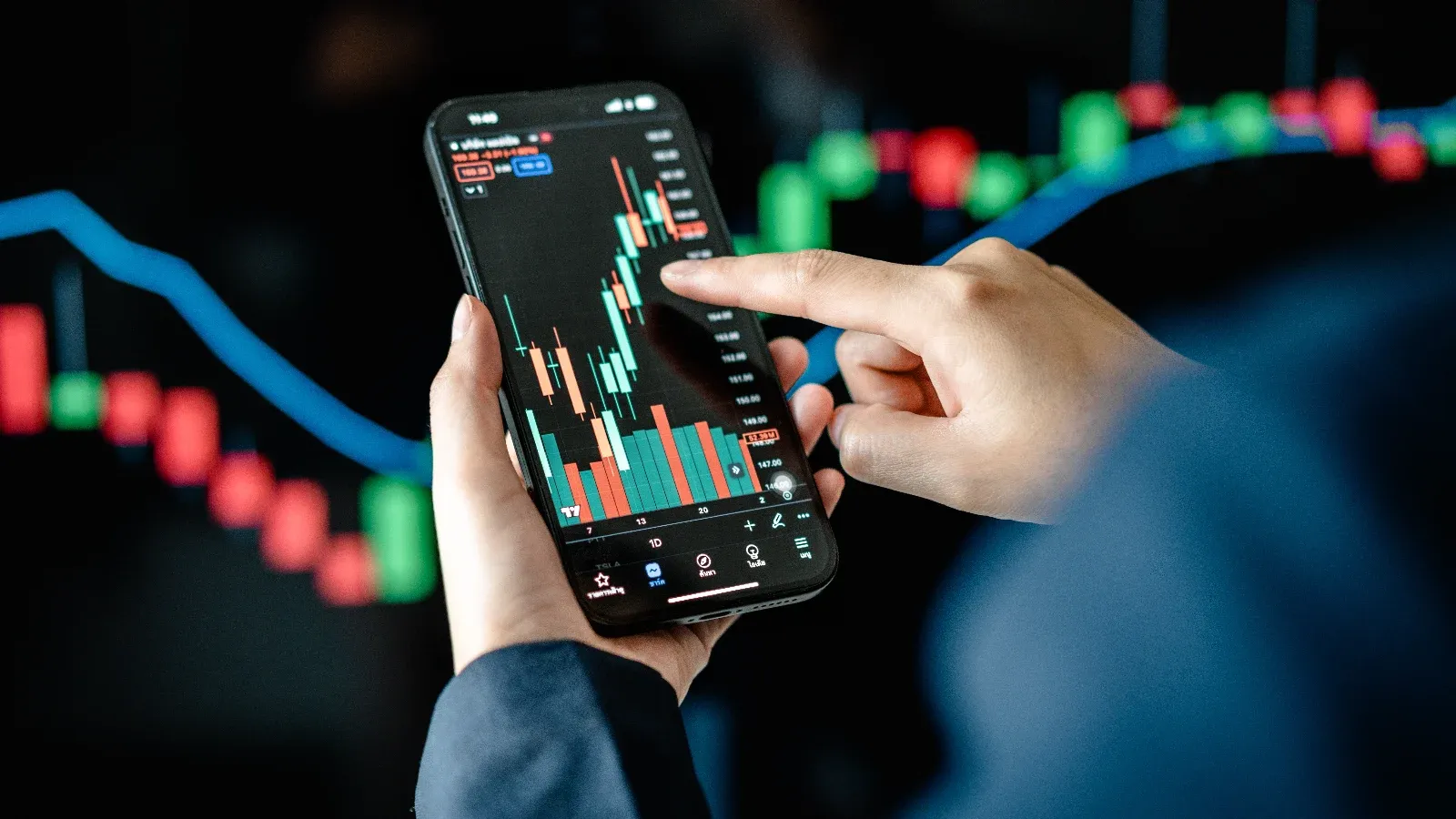
A Trading App can make market participation more convenient by bringing price data, watchlists, charts, order placement, holdings and account information into one digital platform. For beginners, this convenience can be useful, but it can also make trading feel easier than it actually is.
The app is only the interface. The real challenge lies in deciding what to trade, when to enter, how much capital to risk and when to exit. A well-designed Trading App can support these decisions, but it cannot remove market uncertainty or guarantee profitable outcomes.
For this reason, users should understand both the technical features of the platform and the trading process behind those features. The best use of a Trading App comes from combining digital convenience with disciplined decision-making.
How to Use a Trading App Effectively
Understand the Role of a Trading App
A Trading App helps users access market prices, charts, order placement, portfolio details, and other investment tools from one interface. However, it does not guarantee profitable opportunities. Trading decisions should depend on research, market conditions, and individual financial circumstances.
Learn the Main Sections Before Trading
Before placing a live order, users should understand where to find watchlists, orders, positions, holdings, and available funds. Familiarity with these sections can reduce confusion when markets move quickly.
Create a Focused Watchlist
A watchlist helps users monitor selected securities without searching for them repeatedly. Keeping it focused on stocks that match their research and trading strategy can reduce distractions and make market monitoring easier.
Understand Market and Limit Orders
Market orders prioritise execution at available market prices, while limit orders allow users to specify a preferred price. However, market order execution prices can differ from displayed prices, and limit orders may not execute if the specified price is not reached.
Check Order Status After Submission
An order may remain pending, execute partially, be rejected, or be cancelled. Users should verify the order status and executed quantity before making further decisions.
Use Charts With a Clear Purpose
Charts can help users understand trends, price levels, momentum, and trading volume. Instead of adding too many indicators, traders should focus on tools they understand and can apply consistently.
Understand The Difference Between Holdings And Positions
Beginners sometimes confuse holdings with active positions.
Holdings generally represent securities owned in the account, while positions may relate to current trading activity depending on the product and platform.
Understanding this difference is important because the time horizon and risk can vary significantly.
A long-term stock holding may be connected to an investment goal, while an intraday position may need to be closed according to a short-term trading plan.
The app may display both in one environment, but the user should treat them differently.
Use Digital Access To Trade Stocks Carefully
A Trading App can make it easy to Trade Stocks with only a few taps, but speed should not replace preparation.
Before entering a stock trade, the user should already understand why the stock is being selected, what price level matters and how much risk is acceptable.
A quick order process can be useful when the decision is well planned. It can become a problem when users begin entering positions simply because market access feels effortless.
The easier the execution becomes, the more important self-discipline becomes.
How to Use a Trading App Responsibly
Verify Order Details Before Confirming
Before placing an order, check the stock name, quantity, order type, and price. Selecting the wrong security or entering an incorrect quantity can lead to avoidable losses. A quick review helps ensure that the order matches the original trading plan.
Define Risk and Position Size Before Entry
Decide the exit level and maximum acceptable loss before entering a trade. Use this information to determine an appropriate position size rather than making decisions after the price starts moving. A predefined risk plan can help prevent emotional reactions to losses.
Use Buying Power and Leverage Carefully
Available buying power represents the amount the platform may permit you to use, not the amount you should automatically commit. Leverage can increase market exposure and magnify losses. Understand your total exposure, margin requirements, and potential downside before using leveraged products.
Monitor Positions Without Overreacting
Real-time profit and loss information can create emotional pressure. Instead of reacting to every price fluctuation, evaluate open positions against the original trading plan. Price alerts can help monitor important levels, but they should prompt a review rather than automatically trigger a trade.
Evaluate News and Trading Recommendations Independently
Market news and trading tips can influence prices, but headlines may reach users after the market has already reacted. Review the context, risks, and exit conditions before acting. Avoid following recommendations from social media or messaging groups without independent research.
Review Costs, Funds, and Trading History
Consider brokerage, applicable taxes, statutory charges, spreads, and slippage when evaluating results. Check available funds, used margin, and withdrawable balances separately. Reviewing order books and trade history can reveal execution mistakes and patterns such as excessive trading or poor timing.
Protect Account Security and Separate Financial Goals
Keep login credentials, OTPs, and PINs private, and download the app from an official source. Maintain separate boundaries between trading capital, essential household money, short-term trades, and long-term investments. Periodic reviews can help improve discipline and decision-making over time.
Conclusion
A Trading App can simplify market access, but successful use depends on understanding the features and applying them within a disciplined process. Order types, charts, funds, holdings and position screens are useful only when the trader knows how they connect to risk management.
Users should define risk before entering, avoid excessive leverage, review execution and keep trading capital separate from essential money. Digital convenience should support better decisions rather than encourage unnecessary market activity.
For users who also build long-term portfolios through a Mutual Fund option on a broader investment platform, it is important to keep those goal-based investments separate from short-term trading decisions. Each activity has a different purpose, time horizon and risk profile.
Frequently Asked Questions
What Is A Trading App?
A Trading App is a digital platform that can provide access to market data, order placement, holdings, positions and account-related tools.
Is A Trading App Suitable For Beginners?
A Trading App can be useful for beginners, but users should first understand order types, risk management and basic market concepts before trading actively.
Does A Trading App Guarantee Profitable Trades?
No. The app only provides market access and tools; trading outcomes depend on market conditions, strategy and risk management.
Why Should Traders Check Order Status?
Order status confirms whether a trade was fully executed, partially executed, rejected or still pending.
Can One App Be Used For Both Trading And Investing?
Many platforms support both activities, but users should keep short-term trading and long-term investment goals financially and strategically separate.
