
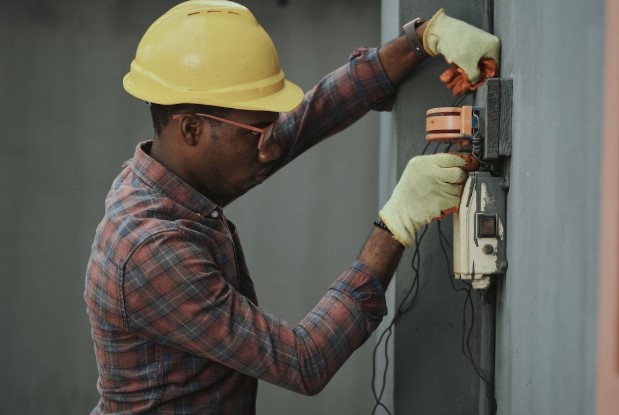
Modern facilities run on power. Whether it’s a sprawling manufacturing plant or a high-tech warehouse, electricity is the lifeblood of industrial operations. But with power comes responsibility—especially when safety and reliability are at stake. That’s where the role of professionals becomes critical. Keeping operations running smoothly isn’t just about wiring and panels. It’s about precision, planning, and protection. And no one does that better than those trained to handle the unique electrical challenges in industrial environments.
Precision Planning Prevents Downtime
Every industrial facility has a rhythm. It might be the hum of machines, the flicker of control boards, or the steady spin of conveyor belts. But one unexpected failure can bring everything to a screeching halt. That’s why planning matters. A good electrical contractor doesn’t just install systems—they think ahead. They assess potential stress points, consider load capacities, and factor in the long-term growth of the facility.
Accurate planning ensures that systems can support operations today and tomorrow. It’s the first line of defense against costly downtime and surprise outages.
System Inspections by Industrial Electrical Contractors Reduce Risk
Industrial electrical contractors specialize in the design, installation, and maintenance of electrical systems in industrial settings. These environments demand higher voltage, stricter codes, and more complex configurations than standard commercial buildings.
Their inspections aren’t just about ticking boxes. They look for signs of overload, worn-out insulation, corrosion, or faulty grounding. They understand that small issues—left unchecked—can spark big problems. With trained eyes and industry-grade tools, they ensure your systems stay safe and compliant.
Upgrading Equipment Improves System Reliability
Outdated electrical equipment is like a ticking time bomb. It might be functioning today, but for how long? Over time, wear and tear degrade performance. Cables loosen. Panels corrode. And safety protocols once considered adequate might no longer meet current standards.
By working with experienced contractors, facilities gain expert guidance on what needs replacing—and when. Upgrades don’t just improve efficiency. They create safer working environments by eliminating weak links in the system.
Emergency Support from Industrial Electrical Contractors Saves Lives
When something goes wrong in an industrial setting, it can go very wrong—fast. Fires, shocks, and machine failures are not uncommon if electrical issues are ignored. That’s why emergency support matters.
The industrial electrical contractors are trained to respond rapidly to high-risk situations. They know how to isolate circuits, shut down dangerous equipment, and repair failures without escalating the problem. In emergency scenarios, their quick action can prevent injuries—or worse. This level of responsiveness is part of what makes their role so vital.
Routine Maintenance Ensures Consistent Performance
Think of maintenance as a form of insurance. Regular checkups help ensure your system performs exactly as intended. No flickering lights. No buzzing panels. No sudden outages. Contractors schedule routine inspections, test backup systems, and replace worn components before they cause trouble.
This consistency isn’t just about power. It’s about confidence. Knowing that your facility runs on a secure, stable electrical foundation allows teams to focus on their work instead of worrying about malfunctions.
Conclusion
Safety and reliability aren’t optional in an industrial setting—they’re essential. Without them, productivity suffers and risks multiply. That’s why the work of industrial electrical contractors is so crucial. They do more than manage wires and breakers. They protect people, processes, and profits. From planning and maintenance to emergency response and upgrades, these professionals keep the heart of the facility beating steadily. And in a world that relies on seamless, uninterrupted power, that’s a role worth spotlighting.
